How to Gain Muscle: Complete Beginner’s Guide
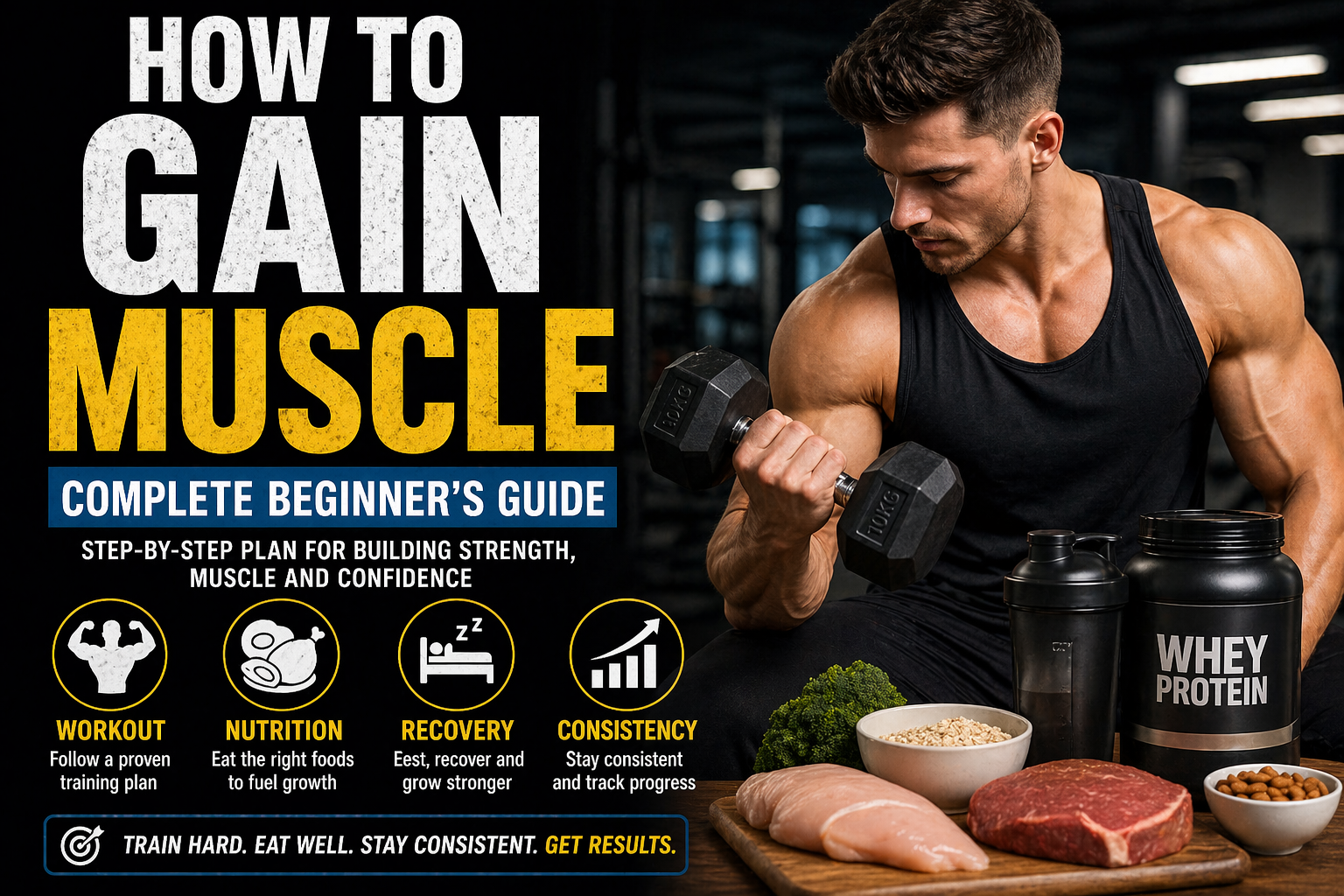
Building muscle is one of the most common fitness goals, but many beginners struggle to see real results. If you’ve ever felt confused about workouts, diet, or supplements, you’re not alone. This How to Gain Muscle: Complete Beginner’s Guide will break everything down into simple, actionable steps so you can start building muscle effectively and consistently.
Understanding Muscle Growth
Before jumping into workouts, it’s important to understand how muscle growth actually works. Muscle growth, also known as hypertrophy, happens when your muscle fibers are stressed during resistance training and then repaired through proper nutrition and rest.
This How to Gain Muscle: Complete Beginner’s Guide focuses on three key pillars:
- Training
- Nutrition
- Recovery
Ignoring any of these will slow your progress.
Strength Training: The Foundation of Muscle Gain
The most important part of building muscle is resistance training. You need to challenge your muscles regularly to stimulate growth.
Focus on Compound Exercises
Compound movements work multiple muscle groups at once and are the most effective for beginners:
- Squats
- Deadlifts
- Bench Press
- Pull-ups
- Overhead Press
These exercises allow you to lift heavier weights and build strength faster.
Progressive Overload
To keep growing, you must gradually increase the difficulty of your workouts. This can be done by:
- Adding more weight
- Increasing reps
- Improving form
Following this principle is essential in any How to Gain Muscle: Complete Beginner’s Guide.
Nutrition: Fuel Your Muscle Growth
Training alone isn’t enough. Your body needs the right nutrients to repair and build muscle.
Protein Intake
Protein is the building block of muscle. Aim for:
- 1.6–2.2 grams of protein per kg of body weight
Good sources include:
- Chicken
- Eggs
- Fish
- Dairy
- Plant-based proteins
Consistent protein intake is a core principle in this How to Gain Muscle: Complete Beginner’s Guide.
Calorie Surplus
To gain muscle, you need to eat more calories than your body burns.
- Start with a small surplus (300–500 calories)
- Focus on whole, nutrient-dense foods
Eating too little will limit your progress no matter how hard you train.
Carbs and Fats Matter Too
- Carbohydrates provide energy for workouts
- Healthy fats support hormones and recovery
A balanced diet is key for long-term success.
Recovery: Where Growth Happens
Many beginners overlook recovery, but it’s just as important as training.
Sleep
Aim for:
- 7–9 hours of quality sleep per night
Muscle repair and hormone production happen during sleep.
How Sleep and Recovery Help in Muscle Growth in How to Gain Muscle: Complete Beginner’s Guide
Your muscles need time to recover. Overtraining can lead to:
- Fatigue
- Injury
- Slower progress
Every effectiveD: Complete Beginner’s Guide includes proper rest.
Workout Plan for Beginners to acheive the maximum muscle gain
Here’s a simple weekly structure:
- Day 1: Upper Body
- Day 2: Lower Body
- Day 3: Rest
- Day 4: Upper Body
- Day 5: Lower Body
- Day 6: Light Activity
- Day 7: Rest
Focus on consistency rather than perfection.
Consistency Over Perfection
One of the biggest mistakes beginners make is expecting fast results. Muscle building takes time.
- Stay consistent with workouts
- Stick to your nutrition plan
- Track your progress
This How to Gain Muscle: Complete Beginner’s Guide emphasizes long-term habits over shortcuts.
Common Mistakes Beginners Make While Trying to Gain Muscle
Avoid these beginner mistakes:
1. Skipping Workouts
Consistency matters more than intensity.
2. Poor Nutrition
You can’t out-train a bad diet.
3. Ignoring FormHow to Gain Muscle: Complete Beginner’s Guide
Building muscle is one of the most popular fitness goals for beginners. However, many people struggle because they follow random workout plans, poor diets, or inconsistent routines. This How to Gain Muscle: Complete Beginner’s Guide will help you understand the fundamentals of muscle growth, including workouts, nutrition, recovery, and supplements.
If you want to build muscle naturally and effectively, consistency and the right strategy are the keys to success.
Understanding Muscle Growth
Muscle growth, also known as hypertrophy, happens when your muscles are challenged through resistance training and then repaired through proper nutrition and recovery.
Every successful muscle-building journey depends on three important pillars:
- Strength Training
- Proper Nutrition
- Recovery and Sleep
Ignoring any one of these can slow down your results.
Best Workout Routine for Muscle Gain
A proper workout routine is essential for building muscle. Beginners should focus on resistance training and compound exercises that target multiple muscle groups at once.
Best Compound Exercises for Beginners
These exercises help build strength and muscle faster:
- Squats
- Deadlifts
- Bench Press
- Pull-Ups
- Overhead Press
- Rows
Compound exercises allow you to lift heavier weights and stimulate more muscle growth.
Progressive Overload: The Secret to Muscle Growth
Progressive overload means gradually increasing the difficulty of your workouts over time. This forces your muscles to adapt and grow stronger.
You can apply progressive overload by:
- Increasing weight
- Doing more repetitions
- Improving workout intensity
- Reducing rest time
Progressive overload is one of the most important principles in this How to Gain Muscle: Complete Beginner’s Guide.
Best Diet Plan in How to Gain Muscle: Complete Beginner’s Guide
Nutrition plays a major role in muscle building. Without the right diet, your body won’t have enough fuel to recover and grow muscle.
Protein Intake for Muscle Growth
Protein is the building block of muscle. Beginners should aim for:
- 1.6–2.2 grams of protein per kilogram of body weight
Best protein-rich foods include:
- Chicken
- Eggs
- Fish
- Paneer
- Greek Yogurt
- Lentils and Beans
- Whey Protein
Calorie Surplus for Muscle Gain
To gain muscle, you need to consume more calories than your body burns.
Tips for a healthy calorie surplus:
- Eat 300–500 extra calories daily
- Focus on nutrient-dense foods
- Avoid excessive junk food
Importance of Carbs and Healthy Fats
Carbohydrates provide energy for workouts, while healthy fats support hormone production and recovery.
Good carb sources:
- Rice
- Oats
- Potatoes
- Fruits
Healthy fats include:
- Nuts
- Seeds
- Avocados
- Olive Oil
Sample Daily Meal Plan in How to Gain Muscle: Complete Beginner’s Guide
Breakfast
- Oats with milk and banana
- 4 boiled eggs
- Peanut butter toast
Mid-Morning Snack
- Protein shake
- Handful of almonds
Lunch
- Rice or chapati
- Chicken breast or paneer
- Vegetables and salad
Evening Snack
- Banana smoothie
- Sweet potatoes
Dinner
- Fish, tofu, or lean chicken
- Brown rice or roti
- Green vegetables
Before Bed
- Milk or Greek yogurt
- Mixed nuts
How Sleep and Recovery Help in Muscle Growth
Many beginners underestimate the importance of recovery. Muscle growth actually happens during rest, not while training.
Benefits of Proper Recovery
- Repairs muscle tissue
- Reduces fatigue
- Prevents injuries
- Improves workout performance
- Supports hormone production
Aim for:
- 7–9 hours of sleep daily
- 1–2 weekly rest days
Every effective How to Gain Muscle: Complete Beginner’s Guide includes proper recovery.
Do You Need Supplements in How to Gain Muscle: Complete Beginner’s Guide?
Supplements can help support muscle growth, but they are not mandatory for beginners.
Best Supplements for Beginners
Protein Powder
Helps meet daily protein requirements.
Creatine
Improves strength and workout performance.
Mass Gainers
Useful for people struggling to consume enough calories.
Pre-Workout
May improve focus and workout energy.
Always remember: supplements should support your diet, not replace it.
Tracking Your Progress in How to Gain Muscle: Complete Beginner’s Guide
Tracking progress helps you stay motivated and make adjustments when needed.
Ways to Track Muscle Growth
- Monitor body weight
- Take progress photos
- Track workout strength
- Measure body parts
- Record calorie intake
Small improvements over time lead to major transformations.
Common Mistakes Beginners Make While Trying to Gain Muscle
Avoid these common mistakes:
1. Skipping Workouts
Consistency matters more than motivation.
2. Poor Nutrition
You cannot build muscle without proper food intake.
3. Ignoring Recovery
Overtraining slows progress and increases injury risk.
4. Using Bad Form
Incorrect exercise form can cause injuries.
5. Expecting Fast Results
Muscle building takes patience and long-term consistency.
Frequently Asked Questions
How long does it take to gain muscle?
Most beginners notice visible results within 8–12 weeks of consistent training and nutrition.
Can beginners gain muscle without supplements?
Yes, beginners can build muscle naturally through proper workouts and diet alone.
How many days should I train per week?
Beginners should train 4–5 days weekly with enough rest for recovery.
What foods help build muscle fast?
Protein-rich foods like eggs, chicken, fish, dairy, beans, and nuts support muscle growth.
Final Thoughts
This How to Gain Muscle: Complete Beginner’s Guide proves that muscle building does not need to be complicated. By focusing on strength training, proper nutrition, sleep, and consistency, beginners can build muscle naturally and effectively.
Stay patient, trust the process, and focus on long-term progress. With dedication and discipline, achieving your muscle-building goals becomes completely possible.
Proper technique prevents injuries and improves results.
4. Lack of Patience
Muscle growth is slow but worth it.
Do You Need Supplements in How to Gain Muscle: Complete Beginner’s Guide?
Supplements can help support muscle growth, but they are not mandatory for beginners. A proper diet, consistent workouts, and good recovery are the most important factors for building muscle naturally.
Protein Powder
Protein powder is one of the most popular supplements for muscle gain. It helps you meet your daily protein requirements, especially if you struggle to get enough protein from food.
Creatine
Creatine is a well-researched supplement that can improve strength, workout performance, and muscle growth when combined with resistance training.
Mass Gainers
Mass gainers are useful for people who find it difficult to consume enough calories throughout the day. They provide extra carbohydrates and protein for weight and muscle gain.
Pre-Workout Supplements
Pre-workout supplements may increase energy and focus during gym sessions, helping you train harder and longer.
Focus on Nutrition First
Before using supplements, beginners should focus on eating balanced meals with enough protein, carbohydrates, healthy fats, vitamins, and minerals. Supplements should only support your diet, not replace it.
They should support your diet, not replace it. Even in a How to Gain Muscle: Complete Beginner’s Guide, supplements are secondary to training and nutrition.
Tracking Your Progress in How to Gain Muscle: Complete Beginner’s Guide
To stay motivated, track:
- Body weight
- Strength levels
- Progress photos
Small improvements add up over time.
Best Diet Plan in How to Gain Muscle: Complete Beginner’s Guide
A structured meal plan makes it easier to stay consistent. Without planning, it’s easy to under-eat or miss important nutrients. In this How to Gain Muscle: Complete Beginner’s Guide, nutrition plays a major role in long-term success.
Sample Daily Meal Plan in How to Gain Muscle: Complete Beginner’s Guide:
Breakfast
Eggs, oats, and a banana for energy and protein.
Best Protein Sources to Gain Muscle Faster
Lunch
Grilled chicken, rice, and vegetables for balanced nutrition.
Snack
Protein shake or yogurt with nuts.
Dinner
Fish or lean meat with sweet potatoes and greens.
Eating regularly ensures your body always has the fuel it needs to build muscle.
Final Thoughts
Building muscle doesn’t have to be complicated. This How to Gain Muscle: Complete Beginner’s Guide shows that with the right approach—training, nutrition, and recovery—you can achieve real results.
Stay consistent, focus on progress, and trust the process. Muscle growth takes time, but the results are worth it.